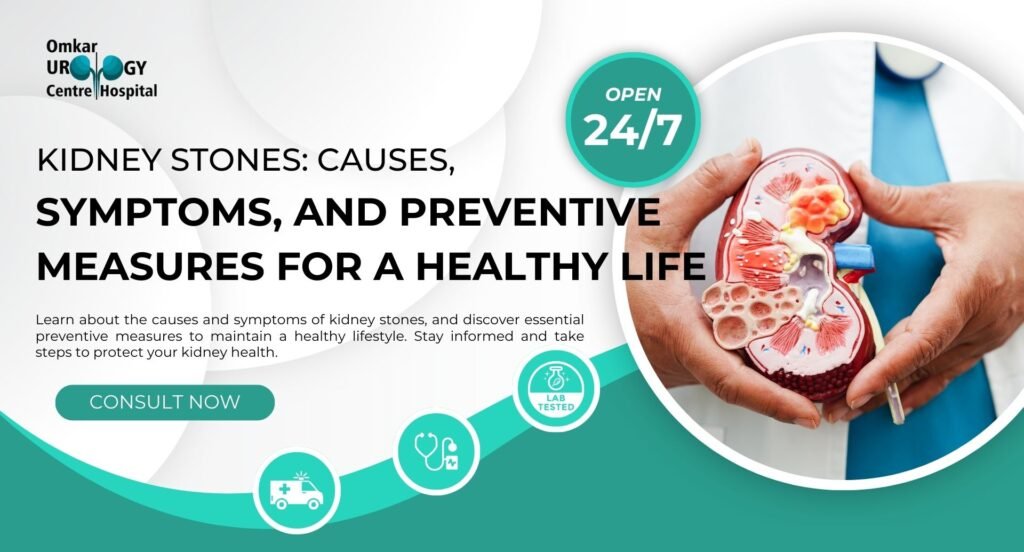
Few health conditions match the sudden, intense agony of passing a kidney stone. It is no surprise that when people are diagnosed with renal calculi, they immediately search the internet for quick, natural fixes. A common question heard in urology clinics is: “Can I dissolve my kidney stones just by changing my diet and drinking lots of water?”
While diet and hydration play a powerful role in preventing stones from forming or growing, the reality is more nuanced. Let’s separate medical myths from facts to understand when lifestyle changes work and when you need professional urological intervention.
Myth vs. Fact: Can Diet Dissolve Existing Stones?
The Myth: Drinking lemon water, apple cider vinegar, or specialized herbal teas can dissolve any kidney stone and flush it out painlessly.
The Fact: Diet and natural remedies cannot dissolve most hard kidney stones.
- The Exception: Uric acid stones are the only type that can sometimes be dissolved or shrunk by modifying your diet (reducing purine-rich foods) and taking medications that alkalize your urine.
- The Rule: The vast majority of kidney stones—specifically calcium oxalate and calcium phosphate stones—are like hard rocks. Once formed inside the kidney, they cannot be dissolved by drinking water or eating certain foods. They require medical treatment, such as laser lithotripsy, if they are too large to pass on their own.
Which Stones Can Pass with Water and Diet?
Not every stone requires surgery. Whether a stone can pass naturally depends heavily on its size and location:
- Stones Smaller than 4mm to 5mm: These have a high chance (up to 80%) of passing spontaneously through the urinary tract if you maintain aggressive hydration. Doctors often prescribe high fluid intake and pain management.
- Stones Located in the Lower Ureter: With adequate water intake and medical support (such as alpha-blockers to relax the urinary tract), smaller stones can make their way out.
- When Medical Intervention is Mandatory:
- Stones larger than 6mm to 7mm.
- Stones causing a complete blockage of urine flow.
- Persistent severe pain, recurrent vomiting, fever with chills (indicating an infection), or heavy blood in the urine.
In these cases, waiting for diet or water to work can lead to severe kidney damage. Modern procedures like laser treatment for kidney stones in Varanasi safely break down these stubborn stones without open cuts.
Foods That Cause Kidney Stones: What to Avoid
If you are prone to stones, your daily plate matters immensely. Certain foods contribute directly to crystal formation in the kidneys:
- Excess Salt (Sodium): High salt intake causes your kidneys to excrete more calcium into your urine. This calcium binds with other elements to form stones. Cut down on processed foods, packaged snacks, and table salt.
- High-Oxalate Foods: Calcium oxalate is the most common stone component. While healthy, foods like spinach, beetroot, nuts, chocolate, and sweet potatoes should be consumed in moderation if you form oxalate stones. (Tip: Pairing oxalate-rich foods with calcium-rich dairy helps bind oxalates in the gut rather than the kidneys!)
- Animal Protein: Red meat, poultry, eggs, and seafood increase uric acid levels and can reduce urinary citrate (a natural chemical that prevents stones from forming).
- Sugary Drinks: Colas and beverages sweetened with high-fructose corn syrup increase the risk of stone formation.
Building Your Stone-Prevention Diet Plan
While diet cannot dissolve hard calcium stones, a strategic stone prevention diet stops new stones from forming and keeps existing ones from expanding.
- Aggressive Hydration: Aim for 2.5 to 3 liters of water daily. Clear or pale-yellow urine is a sign of good hydration.
- Citrus Fruits: Lemons, oranges, and limes contain natural citrate, which actively inhibits stone crystal growth. Squeeze fresh lemon juice into your daily water.
- Adequate Dietary Calcium: Do not completely cut out milk, curd, or paneer. Calcium in food binds with oxalates in your digestive tract, preventing them from reaching the kidneys.
- Balanced Portions: Focus on whole grains, fresh vegetables, and fiber.
For a deeper dive into daily dietary habits, explore our detailed guide on the role of diet in preventing kidney and bladder stones. To understand your overall kidney health and management options, visit our comprehensive urology service page.
Frequently Asked Questions (FAQs)
Can drinking extra water flush out a 10mm kidney stone?
No. A 10mm stone is too large to pass naturally through the narrow ureter tubes (which are typically only 3-4mm wide). Trying to force a large stone with water alone can cause severe obstruction, unbearable pain, and kidney injury. It requires medical evaluation and removal.
Is lemon water effective against all types of kidney stones?
Lemon water is primarily beneficial for preventing calcium-based stones and helping alkalinize urine, which assists in managing uric acid stones. However, it cannot dissolve established calcium oxalate or struvite stones.
Which foods are worst for kidney stone formation?
Foods high in sodium (salt), processed meats, excessive animal proteins, and high-oxalate items like spinach and dry nuts are major contributors when consumed in excess without proper hydration.
Can apple cider vinegar dissolve kidney stones?
There is no strong clinical evidence proving that apple cider vinegar dissolves kidney stones. While it contains acetic acid, relying on it to clear a large or obstructive stone is dangerous and can delay necessary medical care.
How do I know if my stone is passing naturally or needs surgery?
Mild, manageable discomfort that gradually improves with hydration and prescribed painkillers often indicates a passing stone. However, unremitting agonizing flank pain, fever, chills, inability to pass urine, or persistent vomiting require an immediate emergency hospital visit.
Does a healthy diet guarantee I will never get kidney stones again?
While a stone-prevention diet drastically reduces recurrence rates, factors like genetics, metabolic conditions, chronic dehydration, and anatomical variations can still play a role. Regular check-ups with a urologist are essential.
When should I consult a specialist for kidney stones?
You should consult an expert urologist if you experience recurrent flank pain, blood in the urine, or if diagnostic scans reveal stones that exceed 5mm in size.
Struggling with recurring kidney stone pain? Book a consultation with our expert urology team today for accurate diagnostics and advanced, scarless stone removal options.